 The First Day of Lent
The First Day of Lent, also known as the Great Fast, marks the solemn beginning of a sacred season of spiritual renewal in the Christian tradition. In both Eastern and Western Christianity, this day initiates a forty-day journey of fasting, repentance, contemplation, and preparation for the mystery of Easter. Whether observed as Ash Wednesday in the West or Clean Monday in the East, the first day of Lent is a threshold—a crossing into the wilderness...
Read More
 Shrove Tuesday
Shrove Tuesday, also known as Pancake Day, is the final day before the beginning of Lent in the Christian liturgical calendar. It is a day of transition, reflection, and preparation—offering a bridge between the joys of daily life and the solemn path of fasting and renewal that begins on Ash Wednesday. While widely recognised today for its culinary traditions, particularly the making and eating of pancakes, Shrove Tuesday carries deep spiritual and symbolic meaning rooted...
Read More
 Ash Wednesday
Ash Wednesday marks the beginning of Lent, a forty-day season of reflection, fasting, and spiritual preparation in the Christian calendar. Falling forty-six days before Easter Sunday (counting Sundays as feast days), it sets the tone for a journey of humility, repentance, and inner awakening. It is a day steeped in solemnity, sacred symbolism, and the quiet recognition of our mortality and dependence on divine mercy. The central ritual of Ash Wednesday is the imposition of...
Read More
 Lent
Lent
Lent is one of the most profound and contemplative seasons in the Christian liturgical calendar, spanning forty days (excluding Sundays) from Ash Wednesday to Holy Saturday, and culminating in the celebration of Easter. It is a sacred time of fasting, prayer, repentance, and spiritual refinement—a pilgrimage of the soul through desert places, inward silence, and divine encounter. Rooted in the example of Jesus’s forty days in the wilderness, where he fasted and faced temptation before...
Read More
 Fravardigan / Muktad
Fravardigan, also known as Muktad in the Indian Zoroastrian tradition, is a solemn and spiritually rich observance that honours the souls of the departed, celebrated in the final days of the Zoroastrian calendar. Spanning ten days—five days for the Gatha (sacred hymns of Zarathustra) and five preceding days of Fravardegan—this festival is a time of remembrance, reverence, and inner purification, offering a sacred bridge between the living and the spiritual world. The term Fravardigan is...
Read More
 Sikh New Year
The Sikh New Year, while not observed with a single universally fixed date across all Sikh communities, is most traditionally associated with the first day of the month of Chet in the Nanakshahi calendar, which usually falls around 14 March in the Gregorian calendar. It is both a seasonal and spiritual threshold, marking the beginning of a new cycle of time in Sikhi, and offering a moment for personal reflection, collective renewal, and the reaffirmation...
Read More
 Purim
Purim
Purim, the Festival of Lots, is a vibrant and paradoxical celebration in the Jewish calendar, observed on the 14th of Adar (or the 15th in walled cities like Jerusalem). It commemorates the dramatic events recounted in the Book of Esther, where the Jewish people of ancient Persia were saved from annihilation through the courage of Queen Esther and the wisdom of her cousin Mordechai. Though filled with costumes, feasting, and laughter, Purim is also a...
Read More
 Holi
Holi
Holi, the Festival of Colours, is one of the most exuberant and symbolically rich celebrations in the Hindu calendar. Observed on the full moon of the month of Phalguna (February–March), Holi transcends mere festivity to become a spiritual expression of joy, release, transformation, and the victory of divine love over ego and illusion. While widely known for its vibrant colours and communal play, Holi is deeply woven into metaphysical themes of renewal, unity, and the...
Read More
 Hola Mahalla / Hola Mohalla
Hola Mahalla, also known as Hola Mohalla, is a vibrant and deeply spiritual Sikh festival celebrated each year on the day following Holi, typically in March, at the beginning of the lunar month of Chet. While it shares a seasonal closeness with Holi, the Sikh festival diverges in tone and purpose—it is a celebration of spiritual strength, martial discipline, and community solidarity, rooted in the profound legacy of Guru Gobind Singh, the tenth Sikh Guru....
Read More
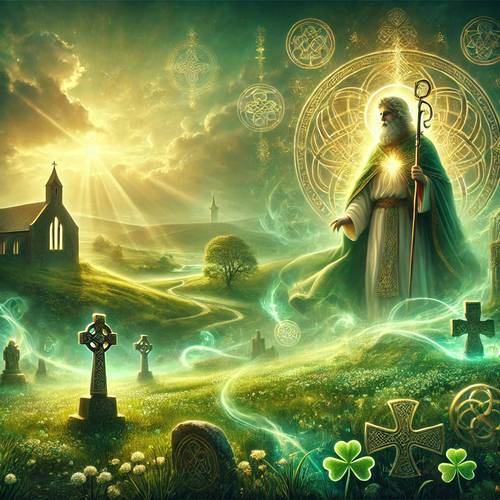 St Patrick’s Day
St Patrick’s Day, celebrated on 17 March, honours the life and spiritual legacy of Saint Patrick, the patron saint of Ireland. Though widely known today for its cultural festivities and parades, the feast day has deep religious and mystical significance rooted in Celtic Christianity, monastic devotion, and the transformative power of faith. Saint Patrick, originally born in Roman Britain in the late 4th or early 5th century, was kidnapped and brought to Ireland as a...
Read More
 Higan (Autumn)
Higan is a deeply contemplative Buddhist observance celebrated in Japan during both the Spring and Autumn Equinoxes, aligning the balance of light and dark with the spiritual journey from ignorance to enlightenment. The word Higan means “the other shore,” symbolising the crossing from the world of delusion (this shore) to the realm of awakening (the far shore), and it draws on the Buddhist metaphor of life as a river of suffering that can be crossed...
Read More
 St Joseph’s Day
St Joseph’s Day, celebrated on 19 March, honours Joseph of Nazareth, the humble and faithful husband of the Blessed Virgin Mary and earthly guardian of Jesus. Though he speaks no recorded words in the Gospels, Joseph’s presence resonates deeply through Christian tradition—as a figure of quiet strength, deep trust, and spiritual responsibility. His feast day invites reflection on the sacredness of work, the dignity of fatherhood, and the mystery of serving without acclaim. Joseph is...
Read More

